
One Orchestration Layer
– Any Workflow
AI operating system — transforming your organization into an uber-intelligent orchestration engine.





01 — INTRODUCING UBERGPTThe AI Operating System
How We Solve That
Our orchestration engine improves operational efficiency and reclaims valuable time by on average 27 % — orchestrating communication, collaboration, and workflow automation while building system intelligence across your entire stack.
On aggregate across global teams using UberGPT, our AI operating system has saved more than 1 million work hours through orchestration, automation and optimization — equivalent to 573 years of manual effort per full-time job.
Teams powered by UberGPT’s AI Orchestration make on average 7.5 % more decisions compared to teams that aren’t — accelerating approval cycles and decision speed across departments — resulting in a more dynamic organization.

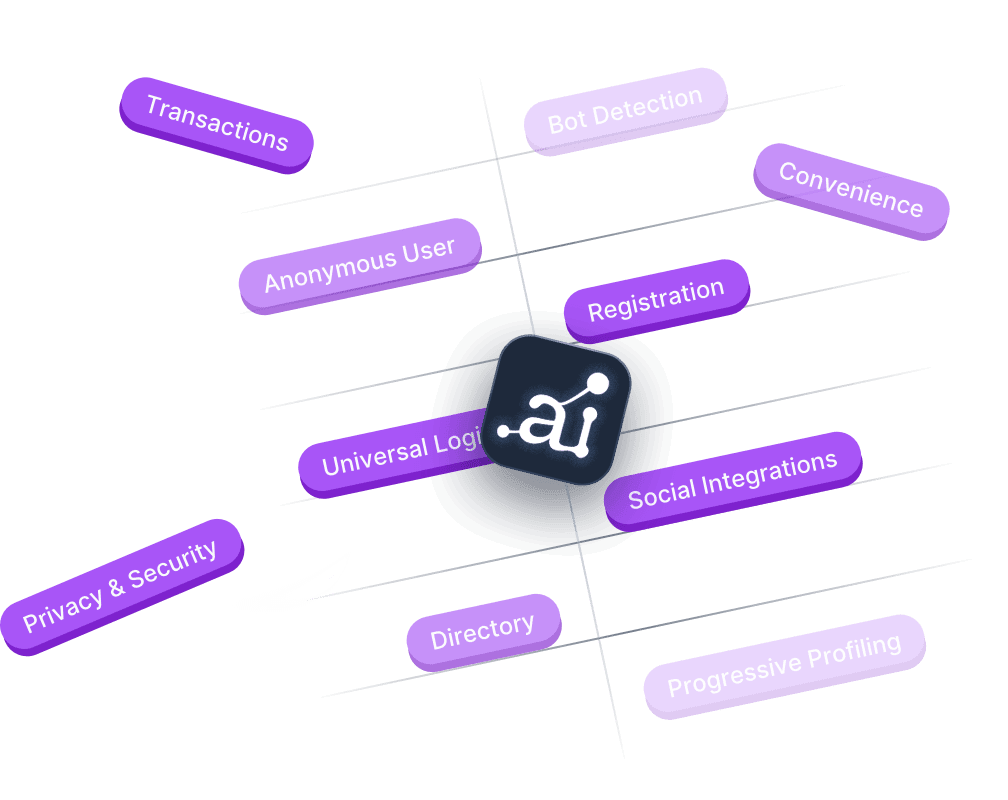
02 — MULTI-MODEL SYNERGYMany AI Models,
One AI OS







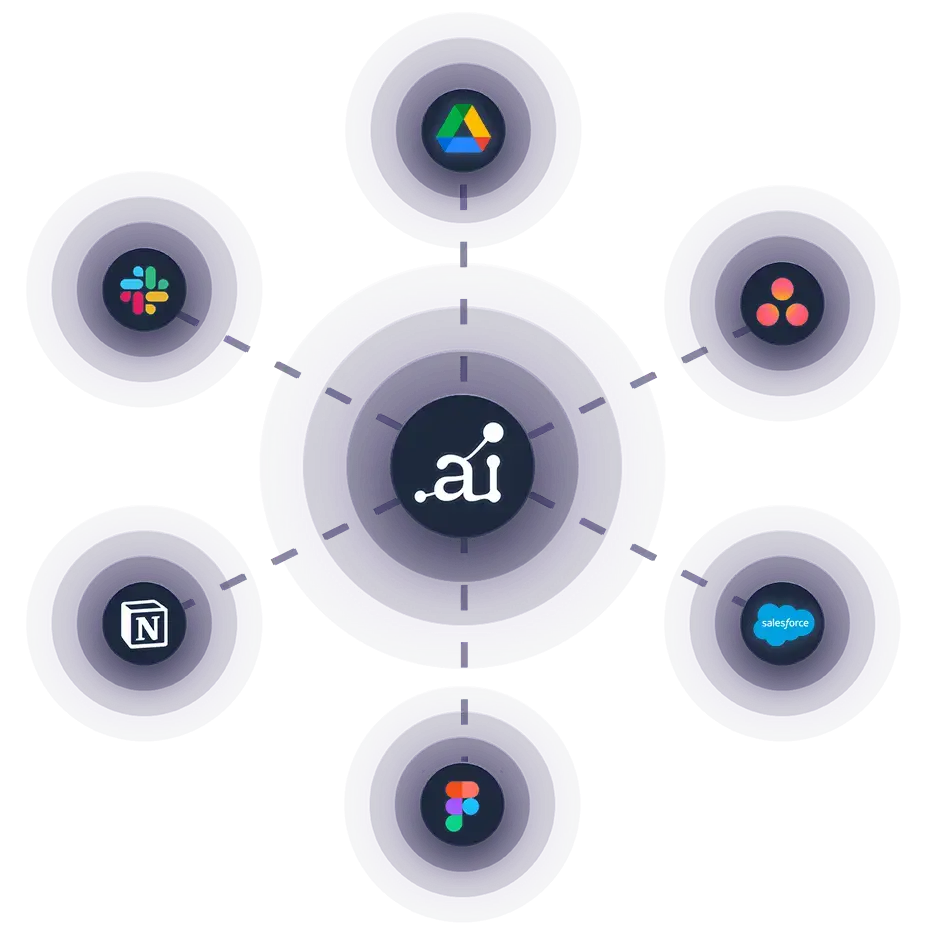
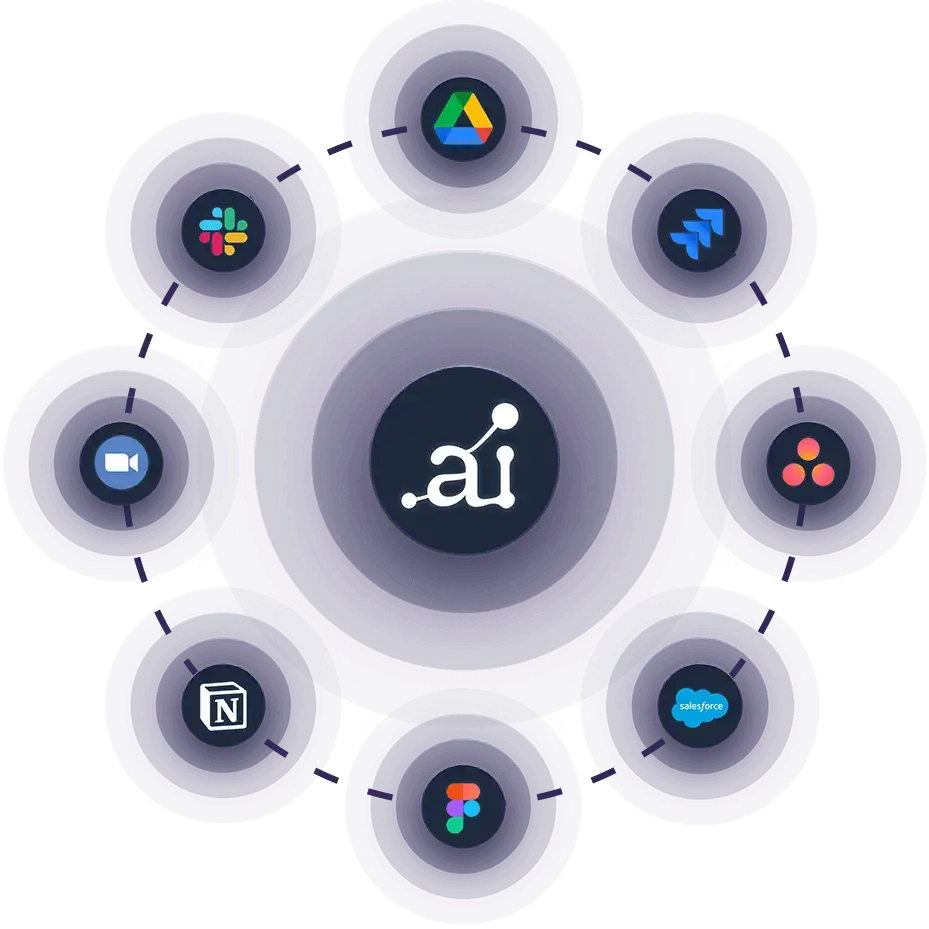
03 — INTEGRATIONSYour Orchestrated Stack
— enabling them to operate as one unified system. No more tool-switching, no more context loss — just orchestration
that keeps your entire organization in sync.




















All product names, logos, and brands are property of their respective owners. Use of these names
does not imply endorsement by or affiliation with the respective companies.
04 — FEATURESCore Capabilities
— across conversations, teams, tools and platforms.
Here’s what it enables:

Cognitive Orchestration
UberGPT uses semantic reasoning to understand intent, context and optimization potential across platforms — transforming fragmented data into orchestrated workflows.
05 — TECHNOLOGYProprietary Orchestration Technologies
— establishing the patent-pending foundation of AI orchestration.

Persistent Cross-Platform Memory (PCM)
Persistent Operational Intelligence (POI)
Telemetry Efficiency System
(TES)
— Telemetry Efficiency System (TES). It measures efficiency gains across manual, automated, and AI-orchestrated workflows. TES is patent-pending for telemetry-based validatable automation and orchestration performance analytics. The system can also be licensed to organizations that seek efficiency validation.

“Adopting the AI Operating System today is like harnessing the Internet in 1995 – Your competitors will follow, but the early adopters will secure a competitive advantage.”

06 — CONTACTLet's Talk Orchestration
Request to be among the first 1,000 adopters
to solve the orchestration bottleneck limiting enterprise AI.
Our first 1,000 clients receive a significantly discounted, lifetime-locked seat price — with future pricing based on real-world efficiency and ROI data from our Telemetry Engine.
We build long-term partnerships with our early adopters, working closely with them to shape and refine the enterprise AI operating system.

Powered by a synergy of the world’s leading AI models.


07 — FAQMeeting AI Orchestration

Get answers to the most common questions about UberGPT
— the AI operating system that turns your entire stack into one orchestrated, coherent ecosystem.
UberGPT is the enterprise AI operating system with persistent memory that connects tools, understands context and roles, suggests relevant tasks, orchestrates workflows, accelerates decisions, and empowers every manager and employee to achieve higher productivity and performance.
Unlike automation systems that execute predefined actions, UberGPT understands context, intent, and interdependencies across the entire organization. It reasons across tools and data sources, aligns tasks with business goals, and continuously adapts through its persistent memory — turning fragmented workflows into an orchestrated, intelligent operating layer.
UberGPT never uses client data for model training. In the standard SaaS model, all data is processed in secure, GDPR-compliant cloud environments with encryption and strict access control. For clients requiring full data residency, private-cloud or on-premise deployments are available.
When we say that UberGPT is efficiency-engineered, we refer to its Persistent Operational Intelligence, which removes the redundant reasoning steps that inflate the compute costs of standard AI agents. This alone enables GPT-5-level performance with 85–90% lower token usage compared to classical AI agents.
On top of that, UberGPT applies dynamic model selection: tasks that do not require high-level reasoning are executed by far more cost-efficient models with equivalent performance in those domains — reducing GPT-5-level token costs by an additional ~80%.
The result: GPT-5-level performance at an enterprise-optimized fraction of the compute cost.
Token consumption scales with workflow complexity and connected data volume. Organizations can set budgets or caps per workspace to maintain predictable operating costs.
Yes. UberGPT supports full enterprise integration — including on-premise, hybrid, and cloud environments. For fully isolated environments, UberGPT can operate through custom connectors, self-hosted orchestrators, or private LLM endpoints, ensuring that data never leaves your infrastructure.
It can also connect to CRMs, ERPs, ticketing systems, identity providers, and internal databases through secure private endpoints, reverse proxies, or firewall-restricted API gateways.
UberGPT adapts to each organization’s way of working. Decision logic, priorities, and interaction flows can be tailored to teams, roles, and business objectives — without modifying the underlying code or infrastructure.
Yes, UberGPT can unify and orchestrate all of them. Its cognitive orchestration system autonomously triggers rule-based automation, RPA, and external AI agents — enabling them to collaborate intelligently and continuously optimize enterprise workflows.
08 — CASE STUDIESAI Orchestration in Practice